UXUI Design
by Sandy IsaacsIntuitive interfaces
that drive measurable results
Case studies
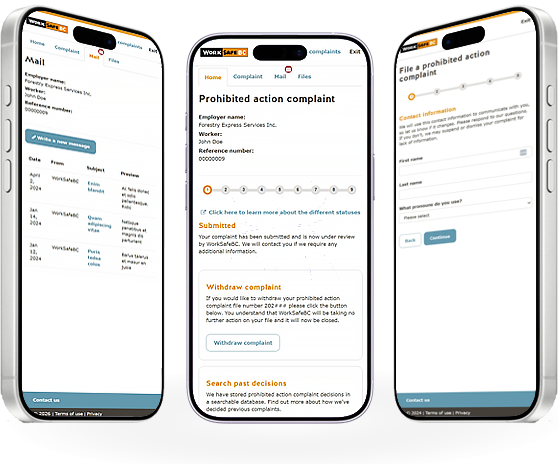
WorkSafeBC provides information and services to prevent workplace injuries, diseases and deaths in BC. The Prohibited Action Complaint application allows workers to report misconduct by employers or unions.
View case study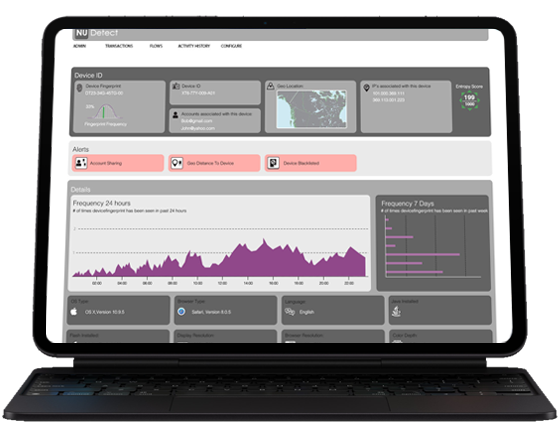
NuData Security is a critical element of the Mastercard Cyber and Intelligence business which is helping to create a secure and inclusive digital future with a range of identity, cyber and AI technologies.
View case study
The Bodog Sportsbook offers the latest NFL Odds, NBA betting options, a huge variety of NHL odds, the best MLB odds and Super Bowl in Canada.
View case studyProhibited Action Complaints
The client
WorkSafeBC was established by provincial legislation as an agency with the mandate to oversee a no-fault insurance system for the workplace.
WorkSafeBC partners with employers and workers in B.C. to do the following:
- Promote the prevention of workplace injury, illness, and disease
- Rehabilitate those who are injured, and provide timely return to work
- Provide fair compensation to replace workers' loss of wages while recovering from injuries
- Ensure sound financial management for a viable workers' compensation system
The project
If you are a worker who becomes aware of unsafe or unhealthy conditions at the workplace and report it to your employer, your union, or WorkSafeBC, you are raising a health or safety issue. If you do so, you are legally exercising a right or carrying out a duty under the Workers Compensation Act.
It is illegal for an employer or union to penalize you for raising a health or safety issue at work. If you experience negative actions from your employer or union after raising a health and safety concern, you can submit a prohibited action complaint.
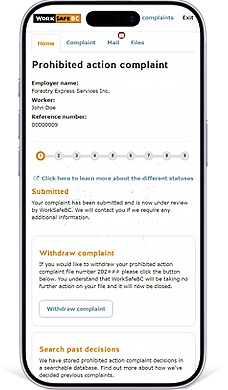
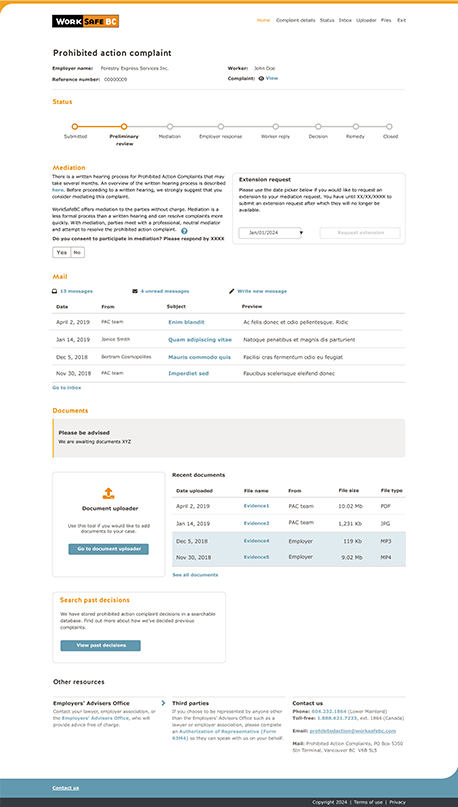
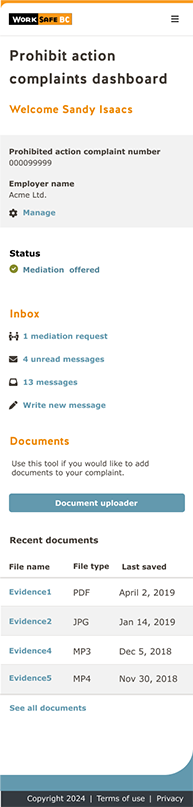
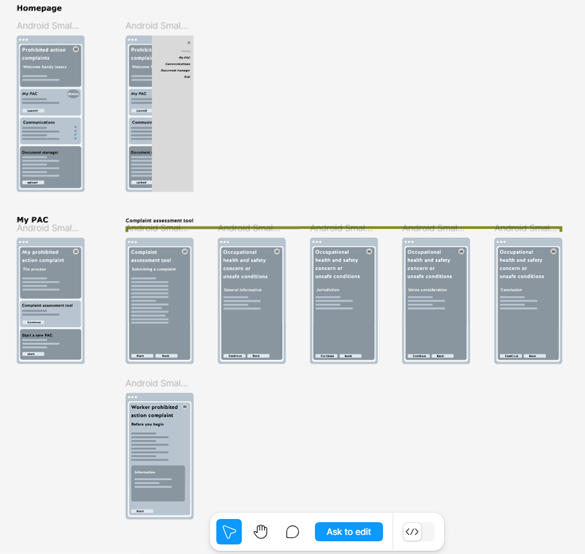
The project involved transitioning from a PDF to an online form for complaint submission and providing an online portal that both workers and employers could manage and track the complaint process
Role: UX/UI Designer
Tools: Figma, Teams, HTML, CSS, JavaScript
Design brief
Problem
Using the existing process both workers and employers would face significant challenges navigating the complaint process. Workers who filed a grievance often complained about ambiguity of where they were in the process , what resources where available to them and what to expect next. Employers also expressed frustration with a lack of information about the status of a complaint and access to documentation. Additionally the case workers struggled to manage and categorize submissions from workers and employers.
Solution
Design a responsive online complaint form that workers find easy to complete and understand as well as a prescreening questionnaire that sets expectations about the complaint process. We will also design an online portal that both workers and employers can use as a hub for communication with WorkSafeBC about the ongoing status of their complaint as well as upload documents and evidence.
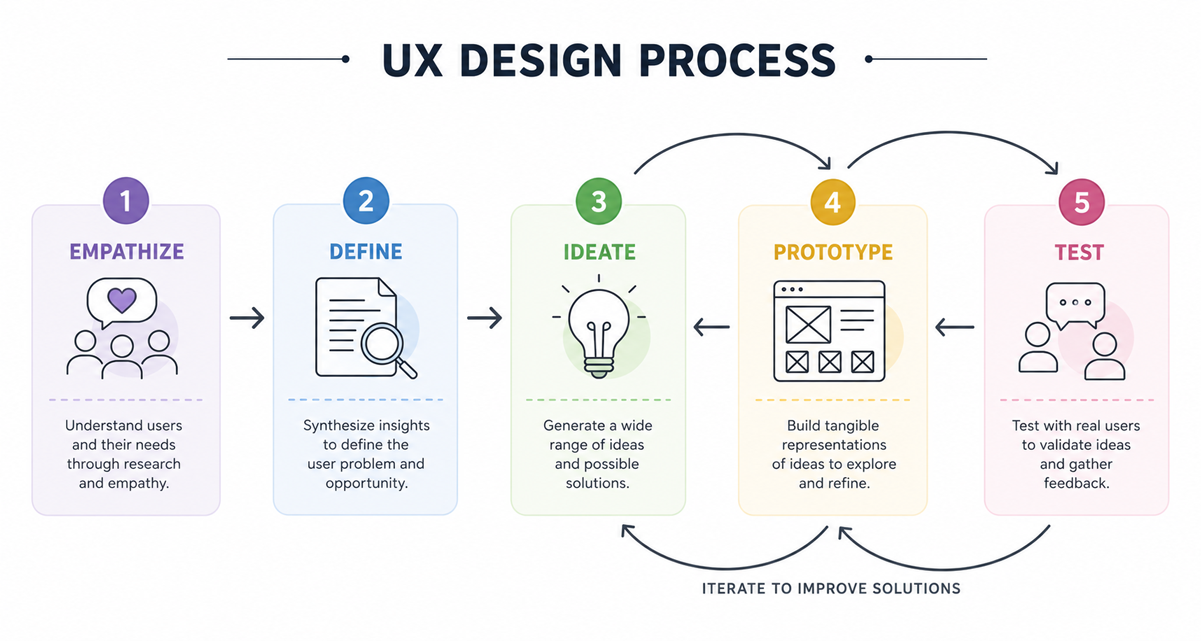
Empathize
Competitive analysis, user interviews, user personas, key findings
Competitive analysis
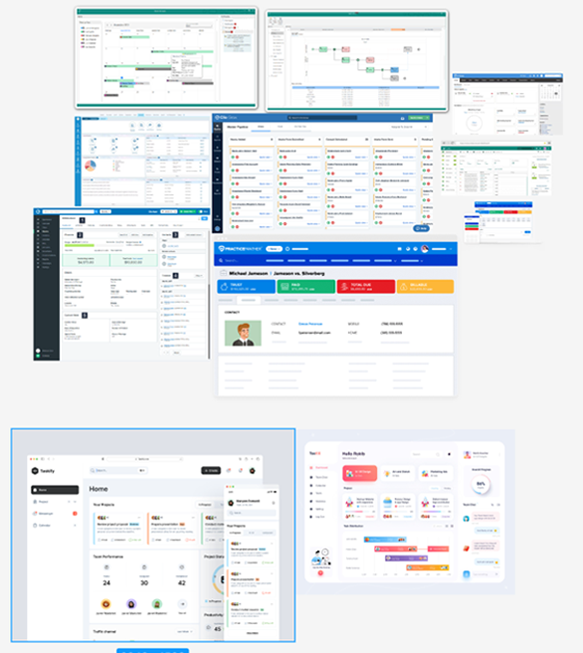
I undertook a survey of how other insurance agencies tackled similar problems to understand their strengths and weakness and identify strategies for how we could approach the problem
User interviews
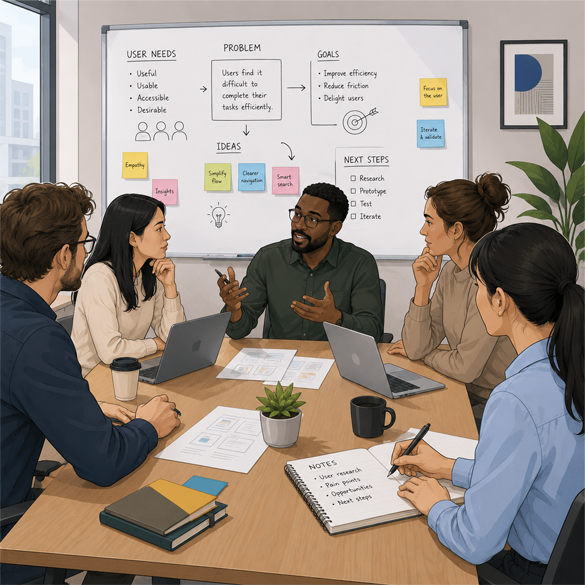
I conducted user interviews with workers who had filed complaints, employers who had complaints filed against them and case workers who managed the complaint process. I used these interviews to understand the pain points of the existing process and identify opportunities for improvement.
Personas
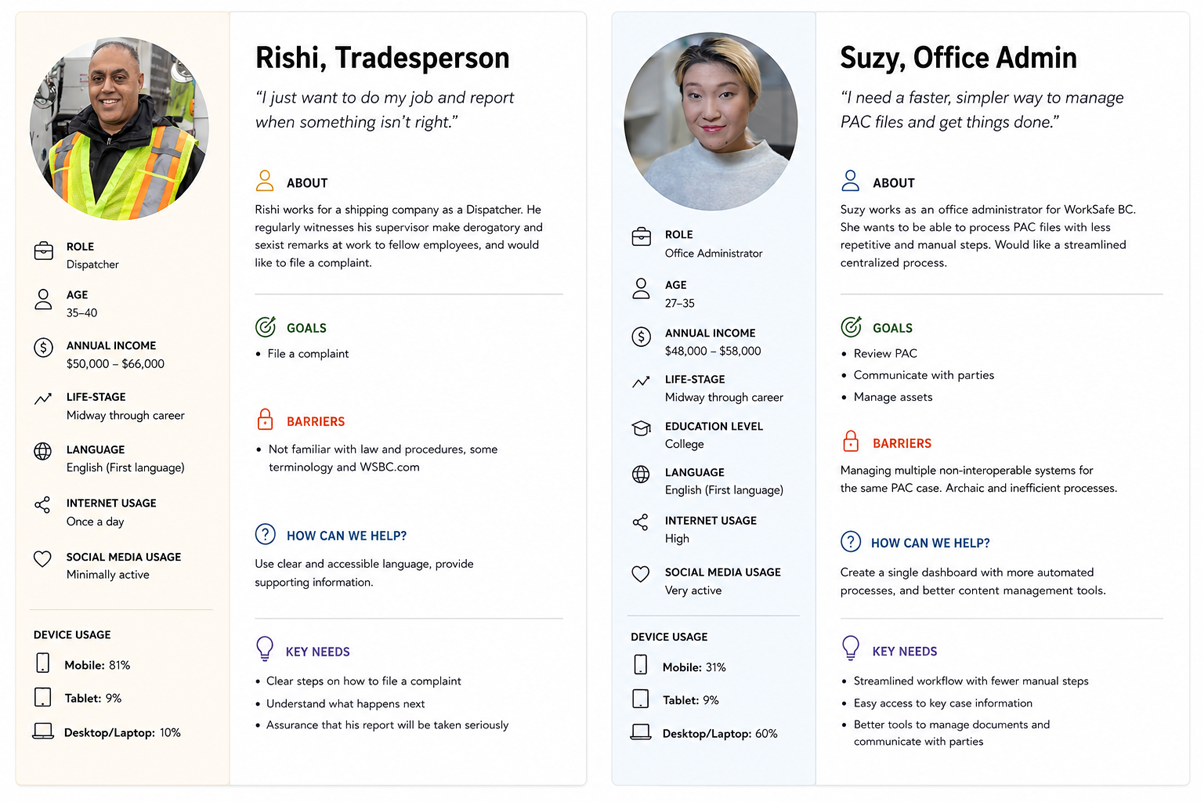
After conducting interviews we created user personas based on archetype of the people involved. These personas could be used as a sounding board for the prototypes that were to be created, and help guide decisions during the design and ideation phase.
By regularly cross-referencing these personas I ensured that the design stayed relevant to the intended audience.
Key findings
Workers and employers needed a clear understanding of what did constituted a legitimate complaint and straight forward way to submit their information.
Once the process was started they needed to be informed of status updates, document request and third party resources to help them navigate their complaint.
WorkSafeBC case workers needed to be able to control nature and volume of information and documents directed at them as well a discreet suite of tools to communicate with the participants.
Define
User journeys, Site map
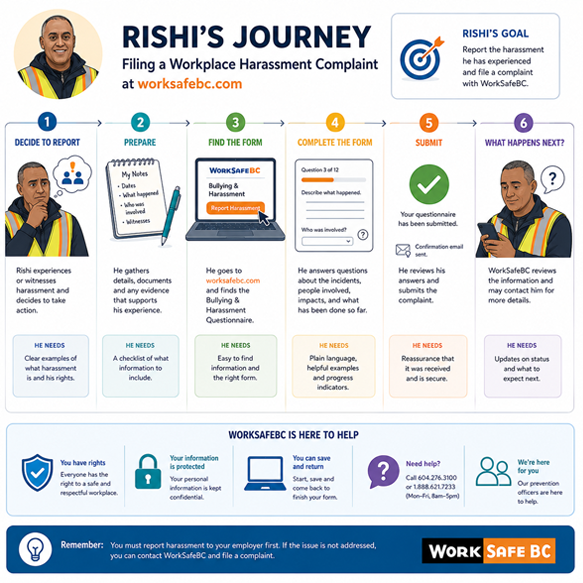
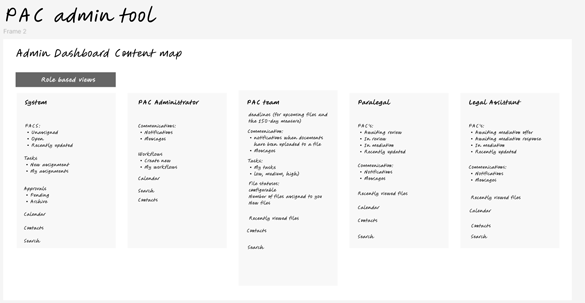
User journeys were created for workers and staff at WorkSafeBC to map out the business flow of the current state and desired future state in conjunction with the Dev team. With the project goals in mind of consolidating the entire complaint process into an online submission and portal site controlled through a Microsoft Dynamics 365 backend, we identified opportunities for automation and improvement for the overall user experience.
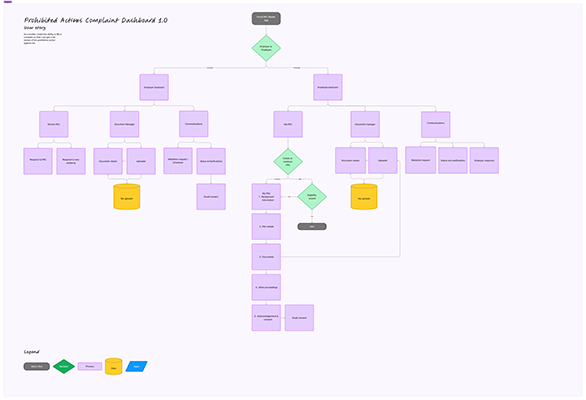
Site maps were created based on the desired future state that would provide the necessary functionality to achieve the project goals. A modular architecture was identified as offering the most flexibility and usefulness to stakeholders.
Ideation
Wireframes, mockups, prototypes
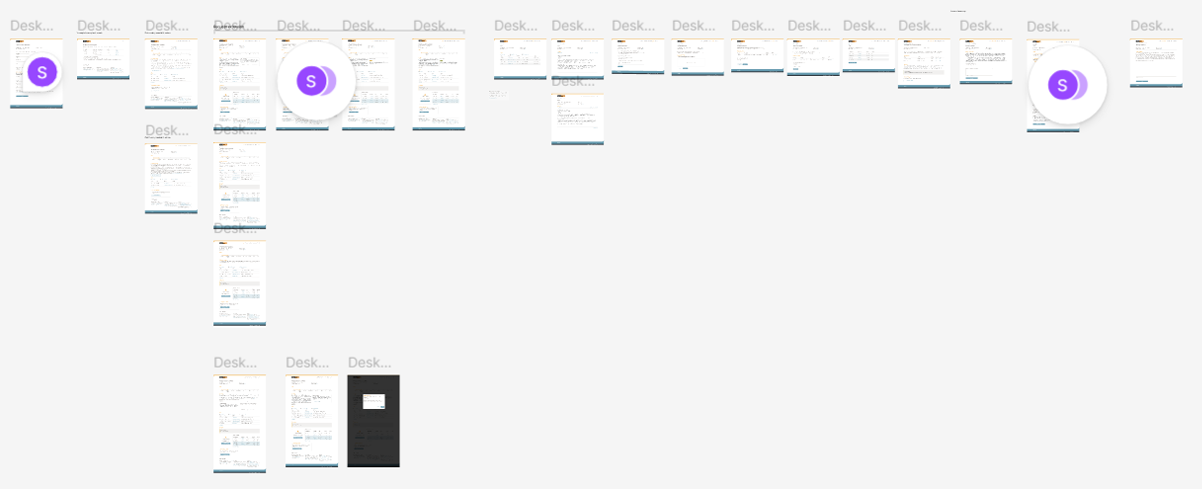
Wireframes
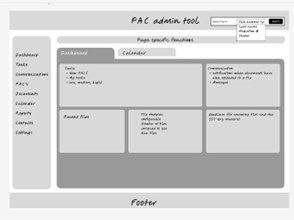
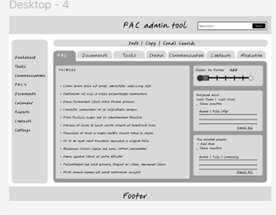
Wireframes were created to explore different approaches to the user interface and layout of the online complaint submission form and portal. These wireframes were used to communicate design ideas and gather feedback
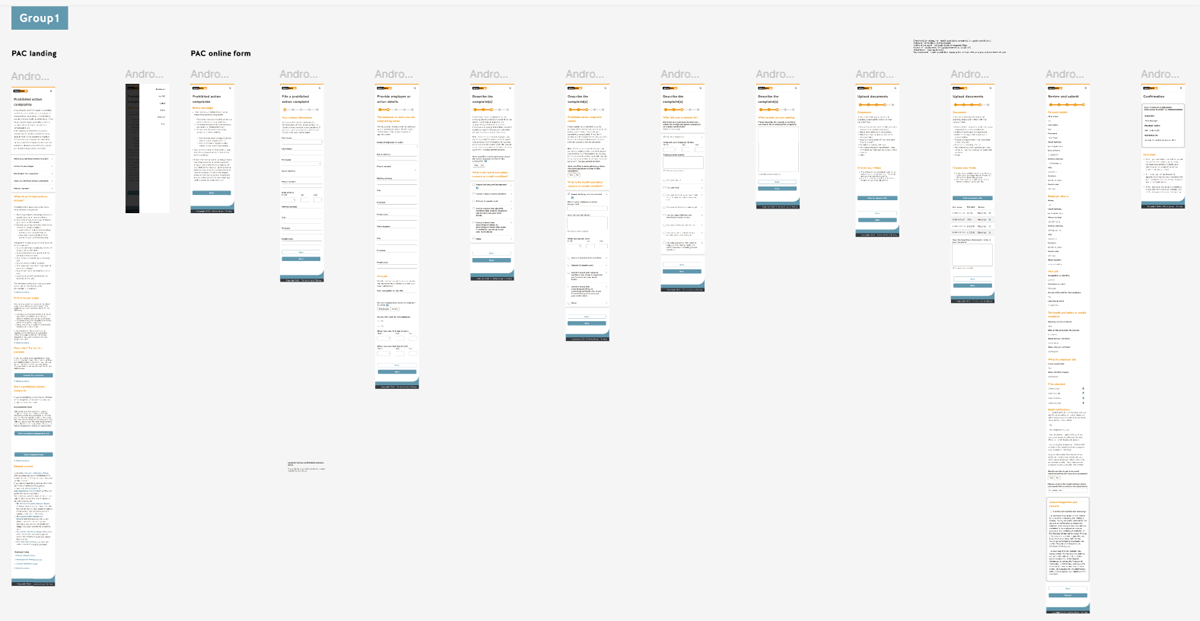
Mockups
Mockups start to tackle the objective of combining content, branding and usability. We can identify usability issues by using different UI patterns and components while keeping in mind and referring to our User Personas.
Content copy is also fine tuned by the business and UX designer to ensure it is accurate and understandable to the user.
Prototypes
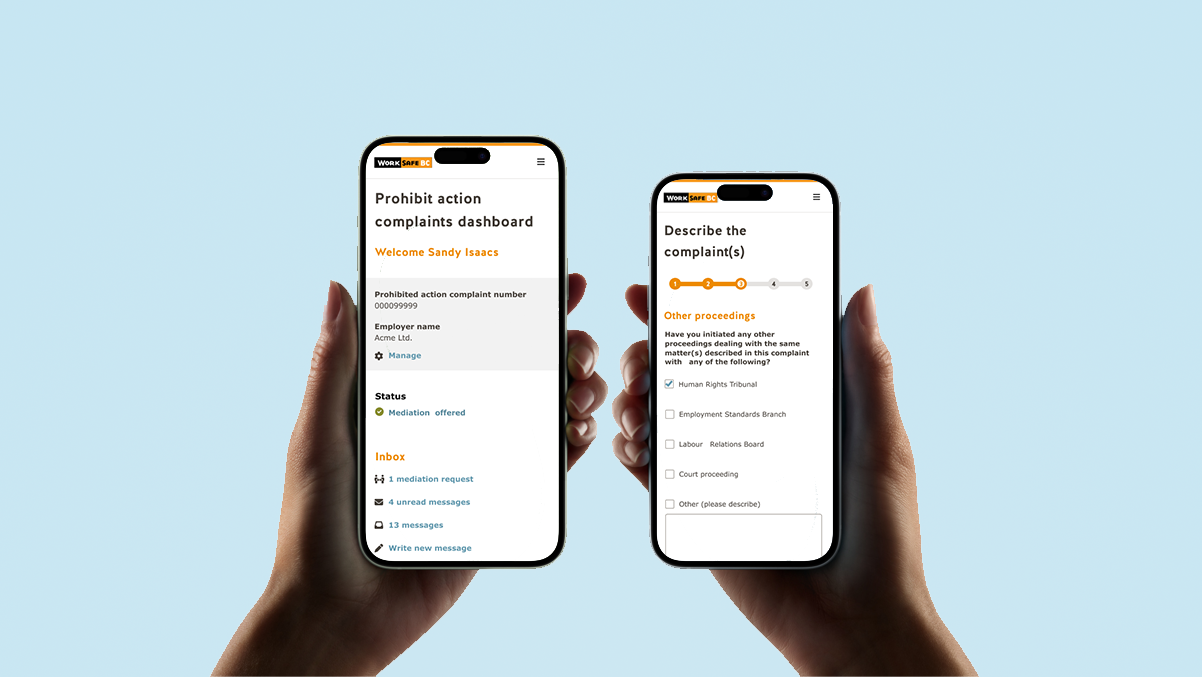
Interactive prototypes were created to test the usability and functionality of the online complaint submission form and portal. These prototypes were used to gather feedback from users and stakeholders, and to identify any issues or areas for improvement before development.
NuDetect
The client
NuData Security is a critical element of the Mastercard Cyber and Intelligence business which is helping to create a secure and inclusive digital future with a range of identity, cyber and AI technologies.
The project
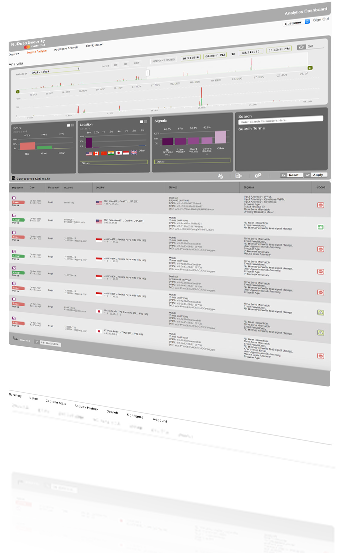
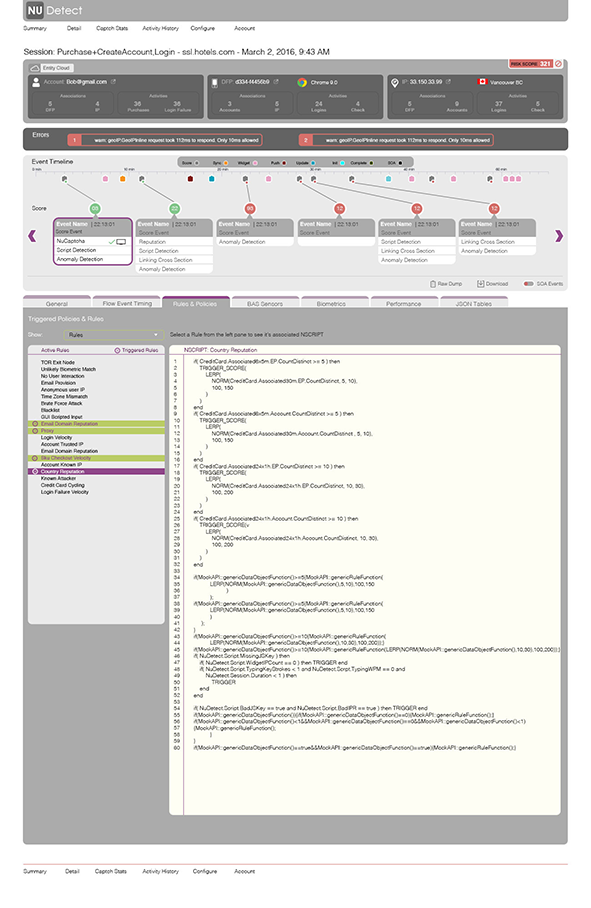
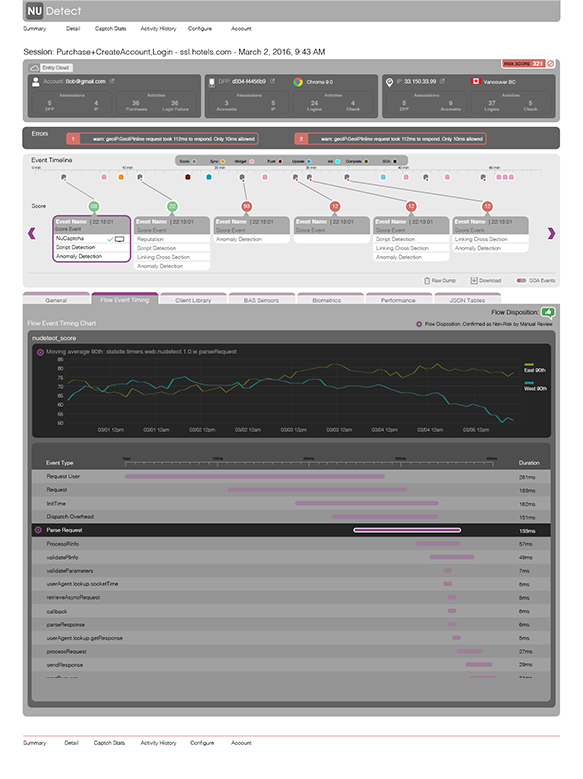
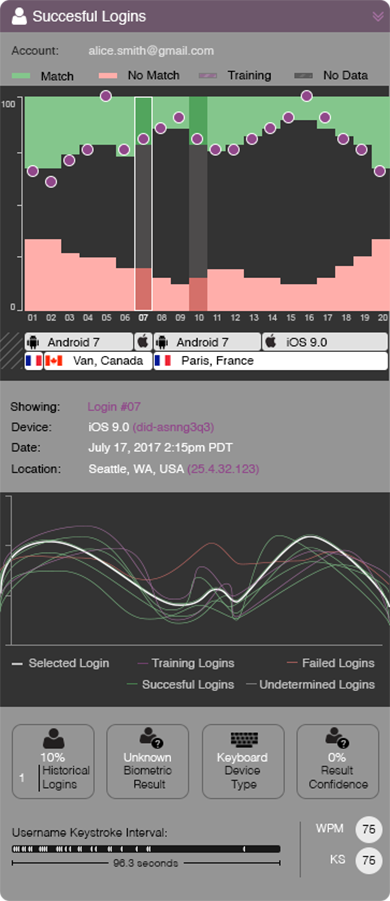
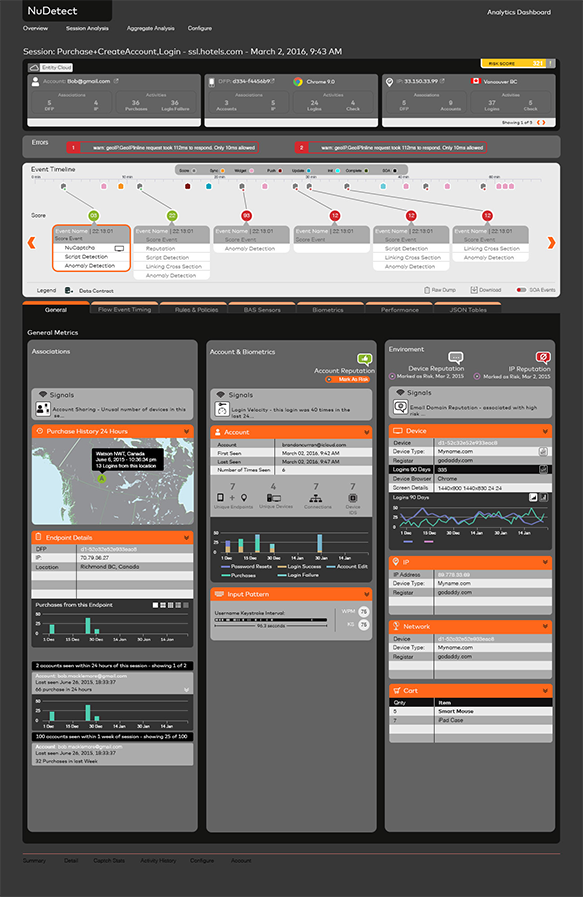
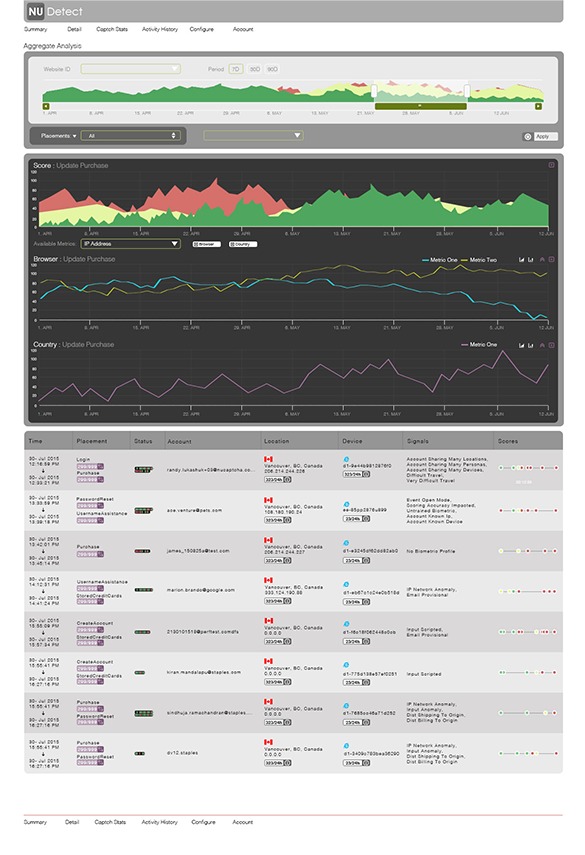
NuDetect is NuData Security’s flagship behavioral biometrics platform, designed to help organizations identify legitimate users and detect fraudulent activity based on how people interact online. As part of the UX design team, I contributed to the redesign and enhancement of the NuDetect dashboard, transforming complex risk analysis data into actionable insights for fraud analysts and security teams.
The project focused on improving data visualization, investigation workflows, and usability across high-volume monitoring environments. Through user research, workflow analysis, wireframing, prototyping, and usability testing, we created a more intuitive experience that enabled analysts to identify threats faster, reduce investigation time, and make more confident risk-based decisions.
Role: UI Designer
Tools: Photoshop, Illustrator
Research
Competitive UX analysis
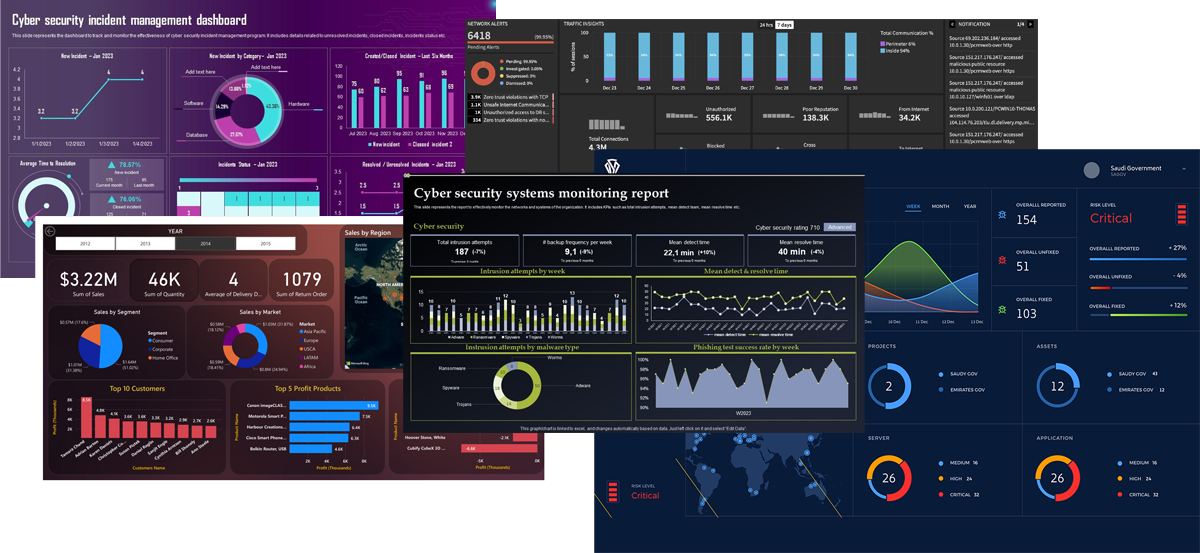
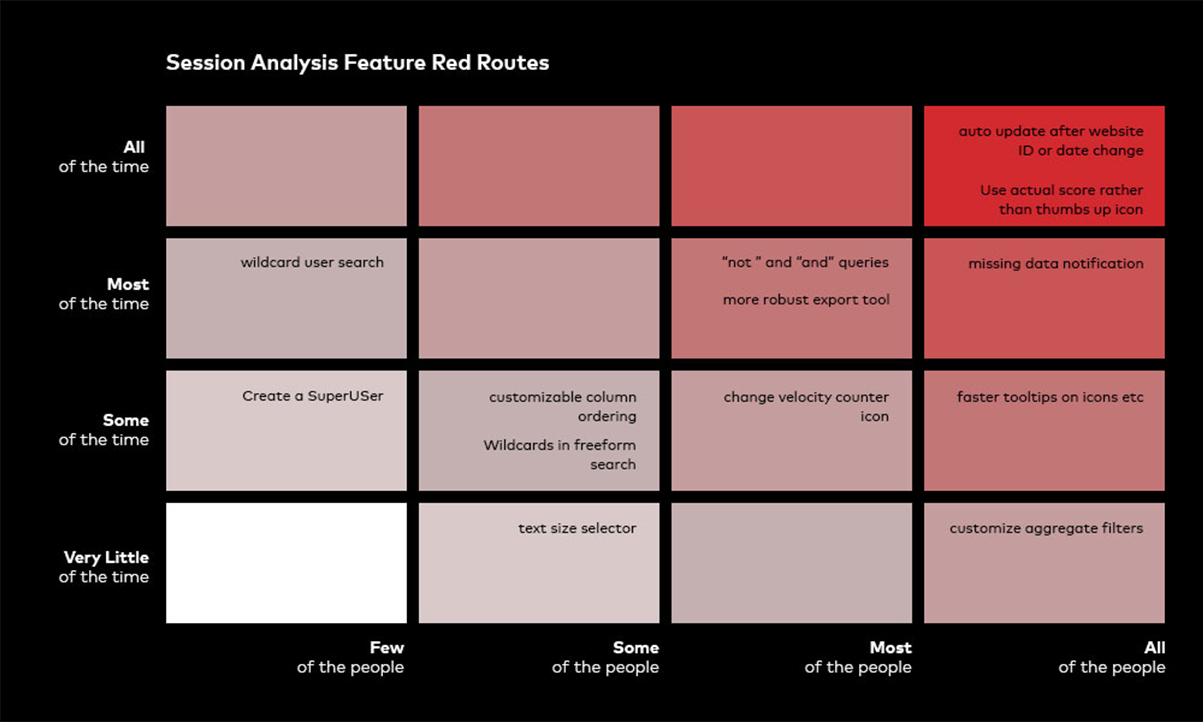
To inform the design of a data visualization dashboard, I conducted a competitive UX analysis of leading analytics, fraud detection, cybersecurity, and business intelligence platforms. I evaluated each product's information architecture, navigation patterns, data visualization techniques, filtering mechanisms, alert systems, and investigation workflows.
By documenting strengths, weaknesses, and recurring design patterns, I identified opportunities to improve usability, reduce cognitive load, and support faster decision-making. The analysis revealed best practices for presenting complex datasets, highlighting anomalies, and enabling users to move efficiently from high-level insights to detailed investigations. These findings directly influenced dashboard layout, interaction design, prioritization of key metrics, and the overall user experience strategy.
User research and persona development
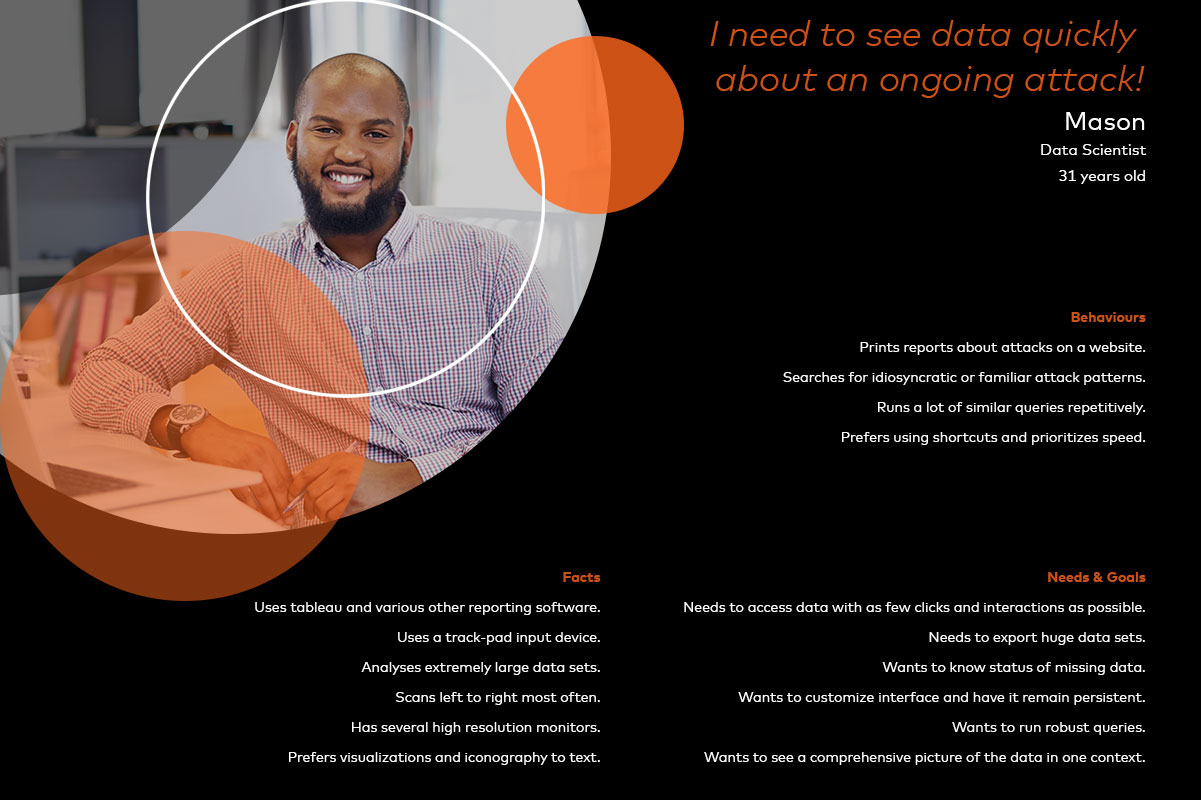
To better understand the needs of fraud analysts, security investigators, and risk management teams, I planned and conducted stakeholder and user interviews focused on how organizations use NuData’s behavioral biometrics platform to identify legitimate users and detect fraudulent activity. Through structured interviews, workflow mapping, and synthesis sessions, I gathered insights into users' goals, decision-making processes, pain points, and reporting requirements.
I analyzed recurring patterns across participants and translated these findings into detailed user personas that represented key user groups, their motivations, challenges, technical expertise, and operational needs. These personas became foundational design tools that guided product strategy, dashboard design, feature prioritization, and usability improvements throughout the development of the NuDetect platform.
Wireframing
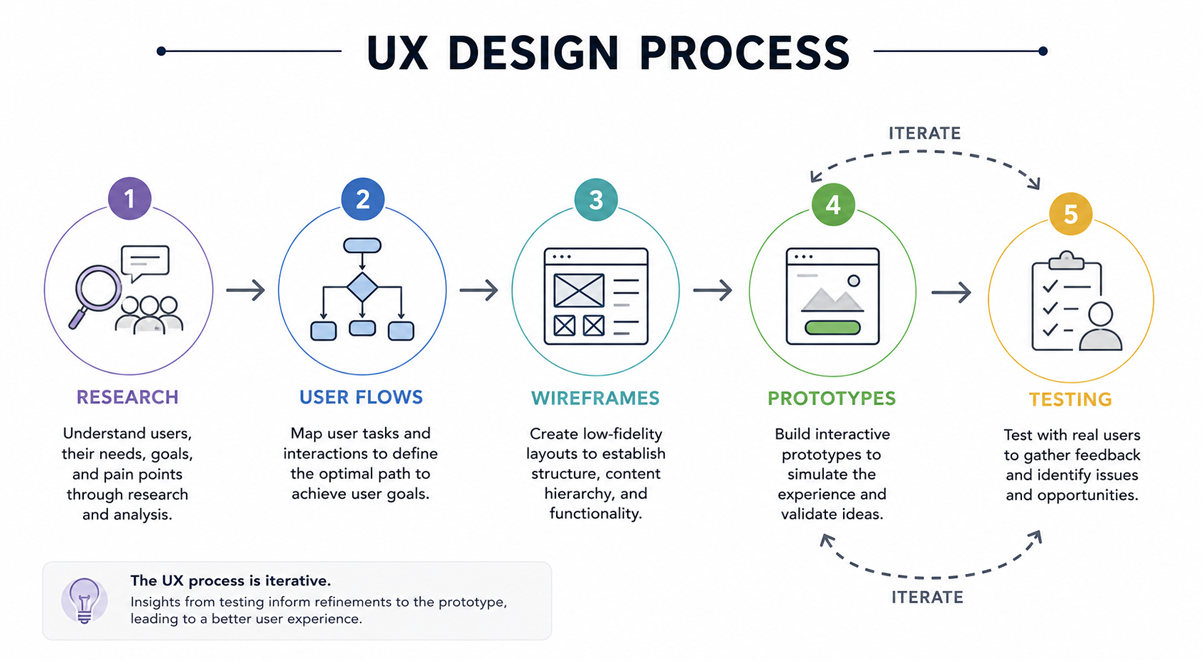
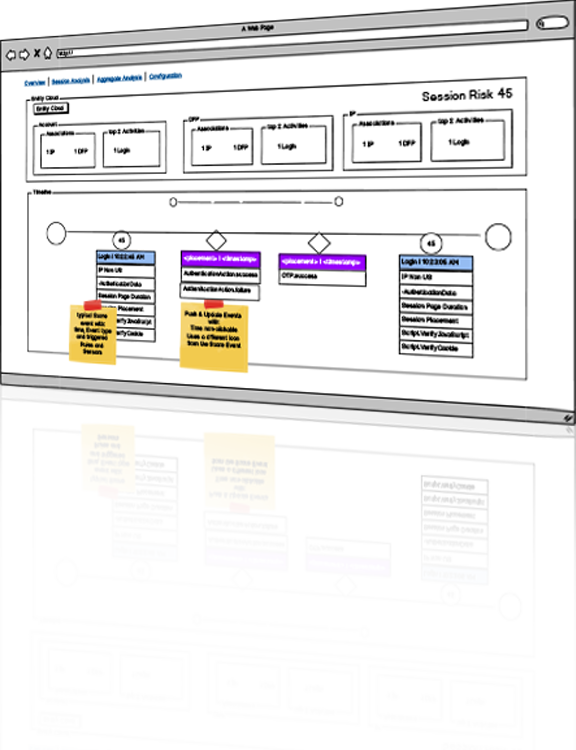
Building on insights gathered from user interviews and personas, I led the ideation and wireframing process for NuData's behavioral biometrics platform. I facilitated collaborative design workshops and explored multiple concepts for dashboard layouts, investigation workflows, risk scoring visualizations, and alert management experiences. Through rapid sketching and low-fidelity wireframes, I translated complex user requirements into clear information architecture and intuitive user flows.
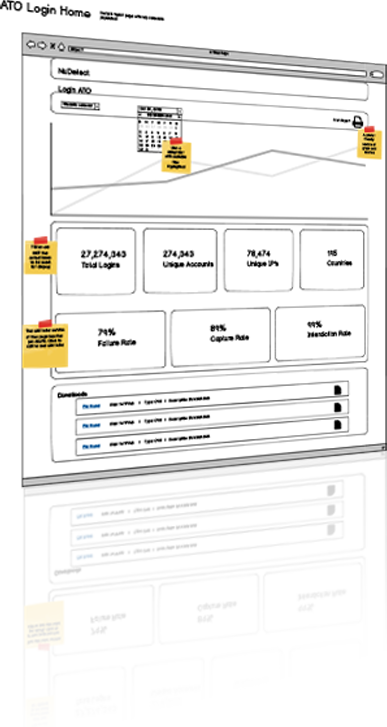
The wireframes focused on helping fraud analysts quickly identify suspicious activity, investigate behavioral signals, and take action with minimal cognitive load. By iterating on concepts with stakeholders and incorporating user feedback throughout the design process, I established a scalable foundation that informed high-fidelity prototypes and the final NuDetect user experience.
Prototyping and usability testing
After finalizing the wireframes, I created interactive prototypes to simulate the NuDetect dashboard experience. These prototypes allowed stakeholders and users to explore the proposed workflows, data visualizations, and alert management features in a realistic context. I conducted usability testing sessions with fraud analysts and security investigators, observing their interactions, gathering feedback, and identifying areas for improvement.
Based on usability testing results, I iterated on the prototypes to enhance clarity, reduce friction, and optimize task flows. This iterative process ensured that the final design met user needs, improved efficiency, and supported effective decision-making in high-pressure environments.

Visual Identity Development
As Lead Designer at Bodog.com, I was responsible for developing a visual identity that reflected the company's bold personality and global ambitions. The centerpiece of this effort was the creation of the Bodog logo—a clean, confident mark designed to be instantly recognizable across digital platforms, broadcast media, live events, and sponsorships. The design process focused on creating a timeless identity that balanced simplicity with strong brand recall, ensuring it would remain effective at every scale, from mobile interfaces to large-format stadium signage.
Beyond the logo itself, I led the development of a cohesive brand system that established consistent typography, color palettes, graphic treatments, and visual standards across the organization. This branding framework unified marketing campaigns, product experiences, and corporate communications while giving creative teams the flexibility to adapt the identity across multiple channels. The result was a distinctive, memorable brand that strengthened Bodog's presence in the highly competitive online gaming industry and provided a scalable foundation for future growth.